In an increasingly sustainability-conscious world, Ciavolino embraces the principles of the circular economy and biomass as one of the core foundations of its operations.
For us, by-products are not waste, but valuable resources that can be recovered and repurposed through responsible management.
For this reason, all four by-products of tree nuts—shells, leaves, cores, and dust<1>—are recovered and utilized, giving new value to materials that would otherwise be considered waste.
These by-products are the primary source of the heat and hot water required to power the production processes within the facility.
Processing by-products are therefore reintroduced into the production cycle, while any surplus is supplied to biomass power plants, where it is used to generate electricity for homes and businesses.
Our commitment to sustainability is also reflected in our dedication to using clean and renewable energy sources.
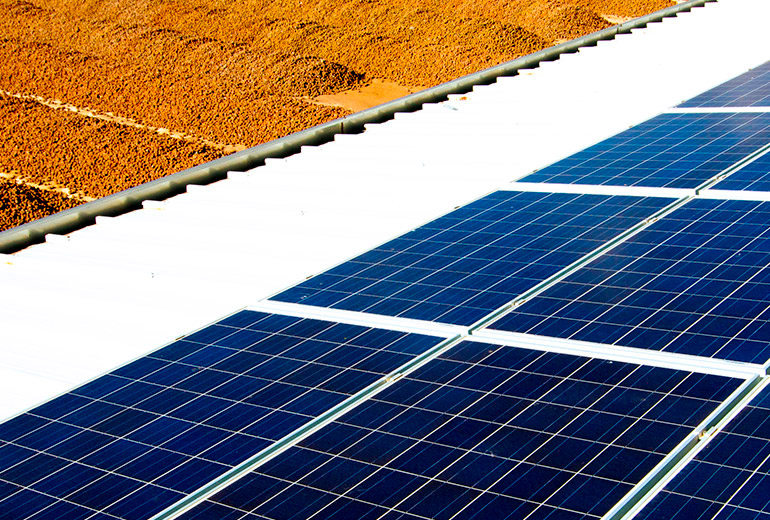
A tangible example of this is our 200 kW photovoltaic system, which now powers our facility, significantly reducing our environmental footprint.
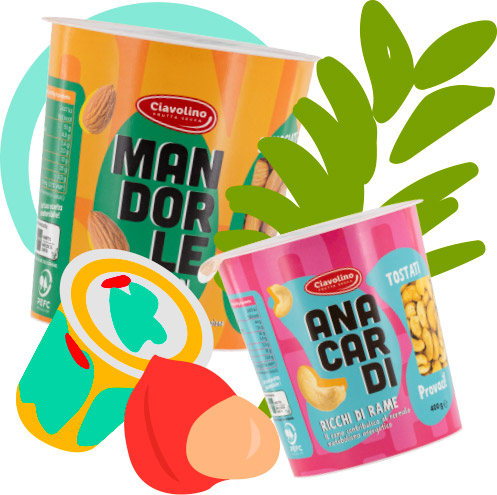
At Ciavolino, our commitment to sustainability is also reflected in our choice of packaging. We are constantly seeking innovative eco-friendly solutions that reduce environmental impact without compromising the quality and safety of our products.
Certifications represent a fundamental pillar of our company philosophy, as they demonstrate our commitment to ensuring the highest quality and safety standards for our products. Each certification is the result of our continuous commitment to achieving the highest standards and reflects our dedication to sustainability, quality, and environmental responsibility.
The paper packaging used by Ciavolino is PEFC-certified, a certification scheme created to promote sustainable forest management and ensure that products reaching the market come from sustainably managed sources.
The Bio Suisse Organic certification guarantees that our pine nuts are cultivated and produced in accordance with strict organic standards that promote a balance between human, animal, and natural interests, with a strong commitment to biodiversity conservation.

IFS is an international standard based on a shared assessment method for selecting and qualifying food product suppliers. It guarantees the quality and safety of products under our brand.

The Kosher certification confirms that our food products are produced in compliance with kosher dietary requirements, respecting Jewish food laws and traditions.

The Organic Certification confirms that our production processes comply with the strict regulations of the European Union, ensuring that every stage of the production chain is managed according to organic farming methods.
The BRC Global Standard is a globally recognized mark of excellence that certifies the safety of agri-food products. This certification ensures that our food products comply with strict quality and safety standards, guaranteeing consumer confidence.
The National Organic Program (NOP) is the regulation that governs the production and labeling of organic products in the United States since 2001 and is administered by the USDA (United States Department of Agriculture).
Utilizziamo tecnologie come i cookie per memorizzare e/o accedere alle informazioni del dispositivo. Il consenso a queste tecnologie ci permetterà di elaborare dati come il comportamento di navigazione o ID unici su questo sito. Non acconsentire o ritirare il consenso può influire negativamente su alcune caratteristiche e funzioni.